A decade ago, I asked a simple but uncomfortable question: Why is education not vocational? Back then, I shared my reflections on LinkedIn, questioning why so many brilliant minds feel disengaged at work, stuck in jobs that pay the bills but starve the soul source by missing meaning and fulfillment.
Since then, my journey has taken me to boardrooms, startup pitches, impact funds, remote villages, and vibrant workshop circles where leaders, students, and young professionals gather to ask the same questions I once did: What am I really here for? How can my work reflect who I truly am?
Looking back, I often describe myself as the “absent subject of my own education.” I went through years of formal schooling and professional training, mastering facts and frameworks, yet no one ever asked me the most crucial question: Who am I, really? This gap of how our education systems prepares us to pass exams or climb ladders, but does not prepare us on knowing ourselves deeply enough to align our work with our values . As Alvaro Restrepo wisely put it, “Education doesn’t serve us anything… only if it helps us discover who we are.” Today, too many people leave classrooms with credentials but no compass. This is why I believe education must become vocational: a space not just for knowledge, but for purpose discovery and alignment.
These questions became the backbone of “On Vocation – How to Align Your Purpose with Your Profession”, my soon-to-be-released guide published by Routledge Books in partnership with leaders who understand that purpose is not found. It is actually built.
I have been asked by many to write this book because our traditional career frameworks are broken. According to Gallup 85% of people globally are disengaged at work. We have mastered efficiency, but neglected meaning. We are surrounded by technology, especially today, as AI reshapes entire industries overnight. However we risk forgetting what makes us irreplaceably human: our capacity for purpose, creativity, and empathy.
From my early days as a bullied kid in the Black Forest, to becoming a Judo Champion, to my Paratrooper days, to finally lead impact investments that channel billions into solutions for economic empowerment, climate resilience, health access, and education. Here I have learned one truth again and again: every struggle, every detour, every “failure” can become a stepping stone when you see your profession as your vocation.
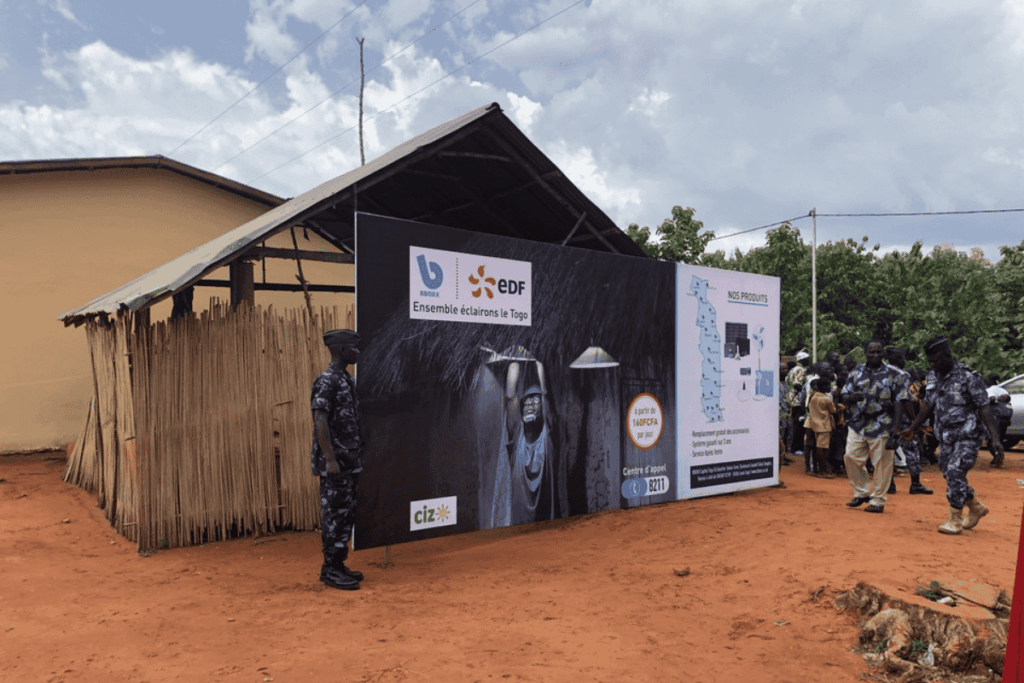
My “aha” moment came far from any boardroom and deep in the jungle. Back then, we were leading corporate social responsibility programs, bringing mobile surgical units to remote communities. I thought I was helping. Until I learned that one child, who had received surgery, died afterward simply because there was no local infrastructure for follow-up care. That moment shattered my illusion of “giving back.” I realised helping is not enough if it keeps people dependent; what people truly need is empowerment. That painful realisation sparked my pivot into impact investing by using capital not just as charity, but as a force for systemic change that builds resilience and economic independence.
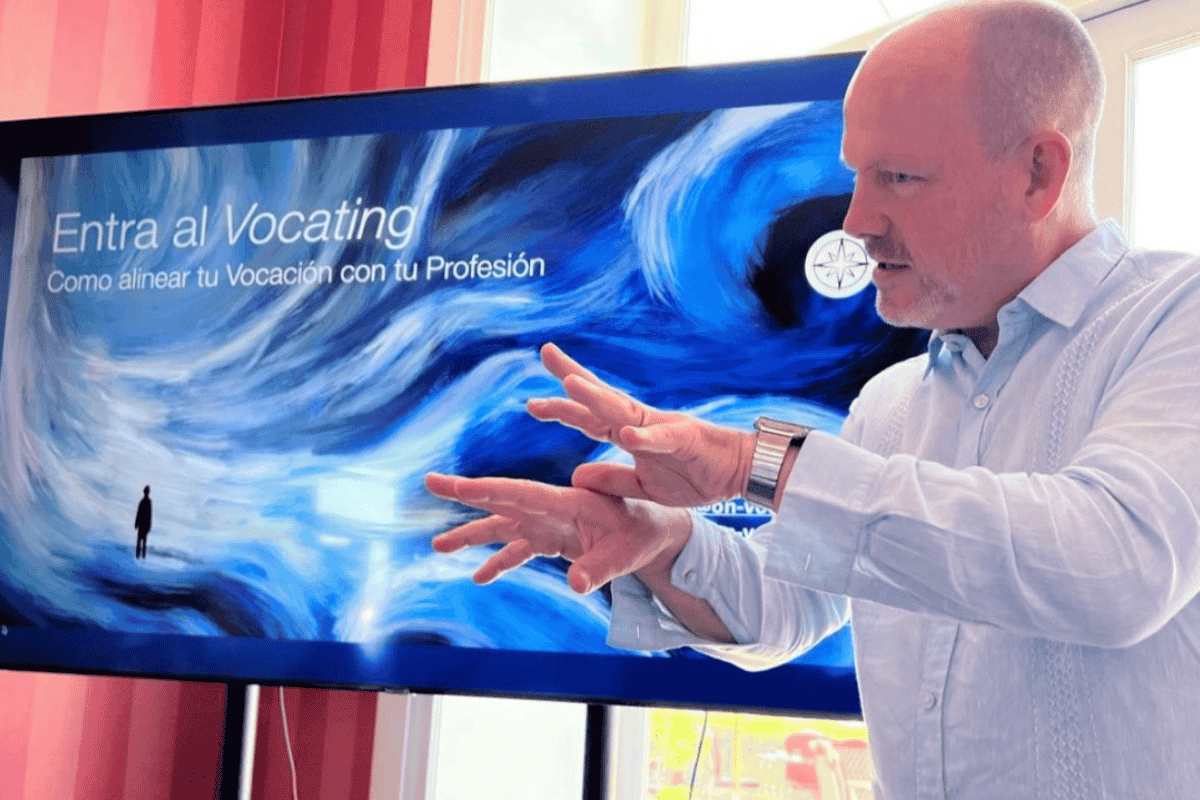
Over the years I have been privileged to see this work in action. For example, during my On Vocation Guide Workshops with students, entrepreneurs, and executives. Watching people light up when they map out their Ikigai, draft their Theory of Change, or design a vision that ties their deepest values to real-world impact is exactly why I believe vocating – not just working – is the future.
You can’t automate that spark. You can’t code it into an algorithm. This is where EQ beats IQ: our ability to listen, reflect, imagine, and lead with purpose is what keeps us ahead of AI. We can then actually benefit from AI doing mundane tasks to exponentially benefit humanity and the planet. This is exactly what we focus on daily at Human Planet !
Research backs this up. Viktor Frankl wrote, “Life is never made unbearable by circumstances, but only by lack of meaning and purpose.” Simon Sinek’s Start With Why reminds us that organisations (and people) who understand why they do what they do unlock energy, trust, and innovation that no tech alone can replicate.
And in The Purpose Economy, Aaron Hurst shows how purpose is a driver of resilience and creativity, two skills that AI won’t substitute, but rather foster. As Vanina Farber reminds us so well, that today’s innovators are not just entrepreneurs or social entrepreneurs, but they are lifepreneurs: people who turn personal challenges into systemic solutions by aligning what they do with who they truly are.
If you have ever felt that quiet, persistent question: “Is this all there is?” then I invite you to join me on this journey to vocate. On Vocation is not a manifesto of theories but a practical, tested guide with a clear 7-step process to build a profession that reflects your purpose. Especially in this AI era, we can makes us human is exactly what makes us irreplaceable.
Would love to hear from you:
- What role does purpose play in your work today?
- How do you navigate the balance between technology and your human calling?
- What would you do differently if your job were your vocation?
Let me #highlight to my #followers to keep this conversation alive: online, in workshops, and in the everyday choices that shape not just our careers, but the contributions we leave behind. “Impact lives, share profits” !
Read the article on Linkedin here.