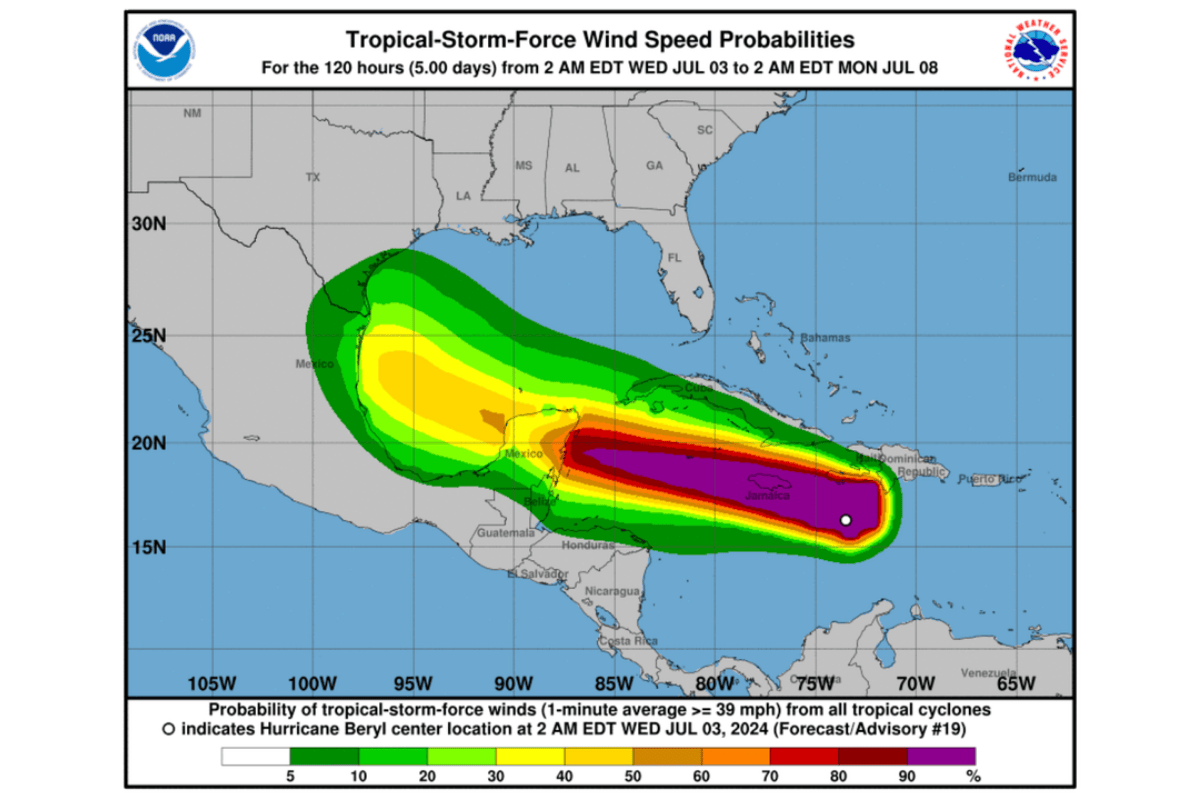
My thoughts and prayers are with my family members in Cancun and the many friends across the Caribbean as Hurricane Beryl wipes out the livelihood for so many people. This hurricane, like so many others, is a stark reminder of the urgent need to innovate and implement sustainable solutions to protect our vulnerable regions. The increasing severity of these hurricanes highlights the necessity for effective measures that safeguard critical infrastructure and the livelihoods of our coastal communities.
Coastal ecosystems — reefs, mangroves, dunes, and forests — are more than just natural wonders; they are our frontline defense against these powerful storms. These ecosystems play a crucial role in protecting our communities by buffering the impacts of storms and reducing damage to essential infrastructure like water systems, energy supplies, and housing.
Coral reefs act as natural breakwaters, dissipating wave energy and reducing coastal erosion. By breaking the force of incoming waves, reefs protect shorelines and the infrastructure built upon them from severe storm surges. Mangrove forests are incredibly effective at reducing wave height and storm surge. Their dense root systems trap sediments and prevent shoreline erosion, while also providing vital habitats for marine life. Coastal dunes act as natural barriers against the sea. They absorb the energy of storm waves, thereby protecting inland areas from flooding and erosion. Coastal forests, including mangroves and other wetland vegetation, stabilize the soil with their root systems and reduce the speed of wind and water flow during storms.
We recognize the pivotal role these ecosystems play in our defense strategy against climate change and extreme weather events. Innovative solution involve leveraging nature-based solutions to enhance the resilience of coastal infrastructure and communities. This approach is not only sustainable but also economically viable, as it reduces the need for expensive man-made structures while delivering a host of additional benefits.
We focus on adapting and restoring coastal ecosystems to ensure they can effectively protect critical infrastructure. This includes activities like coral reef restoration, mangrove planting, and dune stabilization. In areas where natural defenses are lacking or have been degraded, we aim to create new ecosystems that can serve as effective barriers against storms and rising sea levels. By integrating these natural systems with traditional infrastructure projects, we can create a hybrid defense mechanism that enhances overall resilience. This means designing coastal developments that work in harmony with natural landscapes rather than against them.
The increasing frequency and intensity of hurricanes and other extreme weather events make it clear that we cannot afford to delay. Investing in nature-based solutions is an urgent necessity to protect at-risk populations and their critical infrastructure. These investments will help sustain local livelihoods, preserve communities, and bolster their economies in the face of climate change.
Now more than ever, we must prioritize the adaptation and building of coastal ecosystems to safeguard our future. This requires collaboration across sectors, involving governments, private entities, and communities in a concerted effort to implement these solutions effectively.
Let’s work together to harness the power of nature to protect our critical infrastructure and create a resilient future for all. At Resilienture, we are committed to leading this charge and invite others to join us in making a meaningful impact.
Florian Kemmerich is passionate about using innovative solutions to protect and enhance coastal communities and ecosystems. Join his conversation and learn more about how we can work together to create a resilient future.
Read the article on Linkedin here.