As I reflect on the World Economic Forum (WEF) 2024, a recurring thought concerns me deeply. The WEF, where global leaders and thinkers, has historically been a platform to address the world’s most pressing issues. However, this year, the issues of geopolitical conflicts and the worrying progress of artificial intelligence seem to distract the world away from what really puts humanity at threat. The critical and interlinked issues of climate change, global health, and food security seemed to have unfortunately taken a backseat.
In a world rapidly approaching a population of 9 billion, these issues are not just environmental or health concerns; they are existential threats to our collective future. The threats to live sustainably and equitably have never been more apparent. Yet, the overwhelming focus on maintaining power, fueled by right-wing populism and social media manipulation, is diverting attention and resources away from these pivotal challenges.
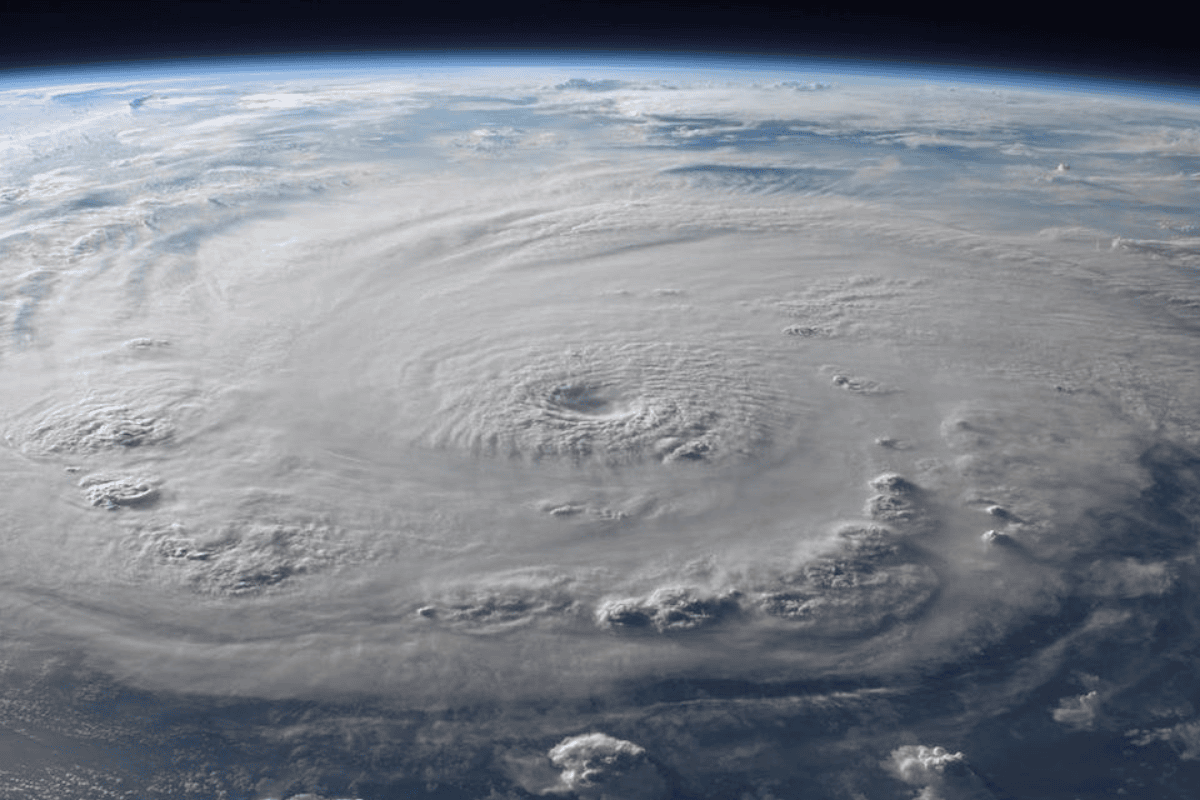
Climate change, much like the COVID pandemic, follows an exponential curve, not a linear one. It creates a vicious cycle, exacerbating global health crises and jeopardizing food security. We can clearly trace those in the form of more frequent and severe natural disasters. This escalating trend demands not just awareness but actual resilience. Resilience to adapt, to innovate, and to overcome.
How do we mitigate these issues? Only via global collaborations and concerted actions. Therefore we urgently need to shift our focus on how we address global challenges – a shift from isolated efforts to a unified, global strategy. Governments, corporations, and civil societies must work in tandem, transcending political and ideological boundaries. Here, we must:
- Prioritize sustainable technologies and practices as renewable energy, sustainable agri-/aquaculture, and circular economy.
- Strengthen global health systems, making them more robust and prepared for future pandemics.
- Ensure food security by diversifying food sources, foster biodiversity and improving supply chain resilience.
Hence, we must recognize that these challenges, though daunting, are within our capacity to solve. History is full of instances where humanity has overcome seemingly insurmountable odds. This time, it is no different. We need to harness our collective ingenuity, resourcefulness, and determination to create a sustainable, healthy, and secure world for ourselves and future generations.
Finally, as leaders, thinkers, and citizens of this planet, we bear an individual responsibility to act, not tomorrow, but today. The WEF has missed elevating these issues, but we, as a global community, cannot afford to. Let’s get together, rise to the challenge, and ensure a planet “worth living” for 9 billion as there is no planet B!
Read the article on Linkedin here.